


Netflix is the undisputed leader in the global streaming industry, with over 230 million subscribers across more than 190 countries. It has transformed the way people consume entertainment, disrupting traditional television and cinema. However, Netflix’s journey to becoming a global powerhouse was not an overnight success. It started as a DVD rental service and, through strategic innovation, data-driven decision-making, and an aggressive expansion strategy, evolved into a streaming giant that dominates the industry today.
The Humble Beginnings of Netflix
Netflix was founded in 1997 by Reed Hastings and Marc Randolph as an online DVD rental service. At the time, Blockbuster was the dominant player in the movie rental business, but its model required customers to visit physical stores and return rentals within a strict deadline, often incurring late fees. Hastings, frustrated after paying a $40 late fee for a rental, saw an opportunity to create a more customer-friendly alternative.
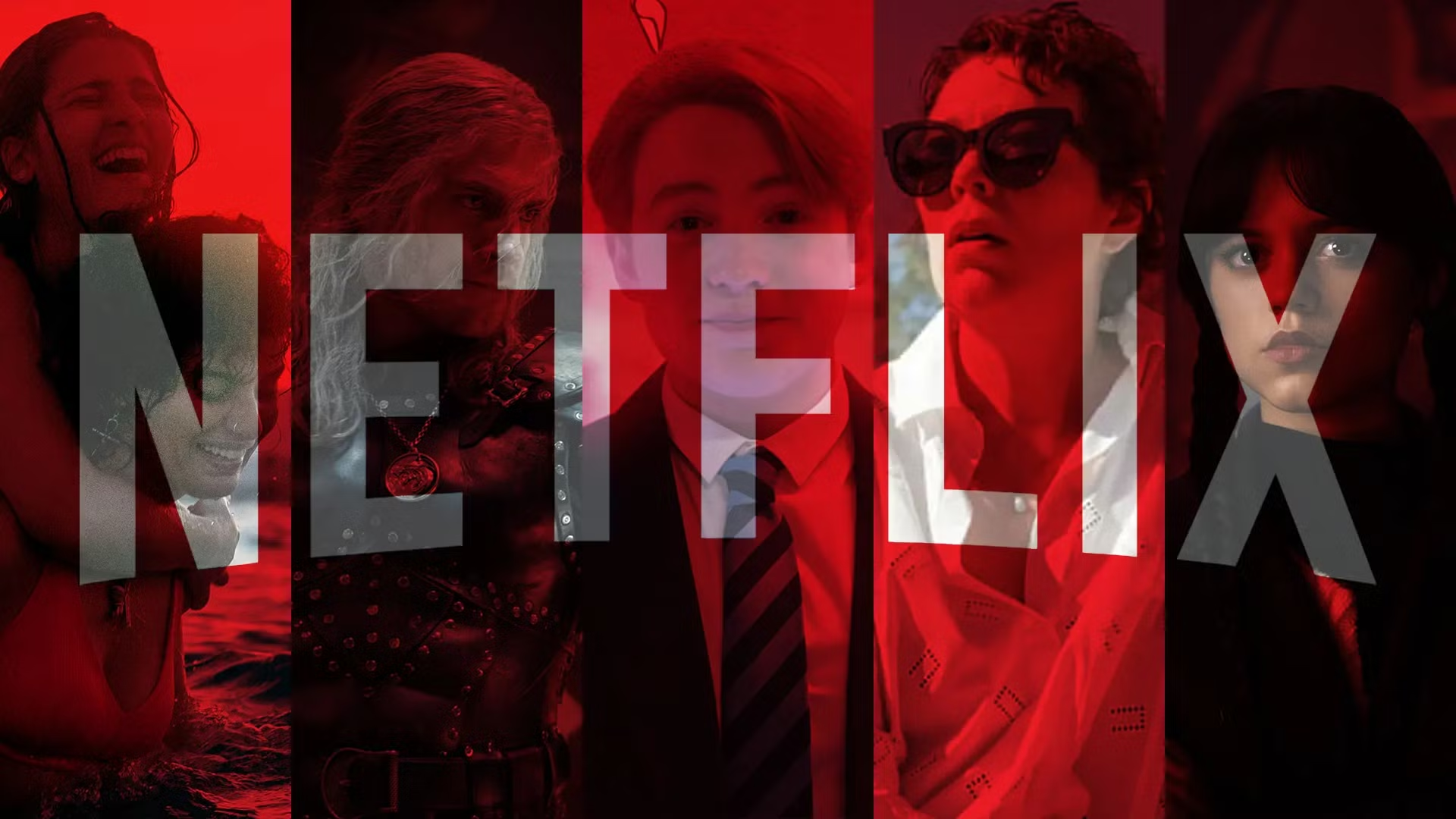
Netflix introduced a mail-order DVD rental service that allowed customers to order movies online and have them delivered to their homes. In 1999, it launched a subscription-based model, allowing users to rent unlimited DVDs for a fixed monthly fee, eliminating late fees and providing convenience. This move disrupted the traditional rental industry, as customers preferred the flexibility and ease of Netflix’s service over Blockbuster’s rigid policies.
The Transition from DVDs to Streaming
As internet speeds improved and broadband adoption increased, Netflix made a strategic shift towards digital streaming. In 2007, it introduced its online streaming service, allowing subscribers to watch movies and TV shows instantly. This move was risky, as DVD rentals were still the primary revenue source, but Netflix recognized that the future of entertainment consumption was digital.
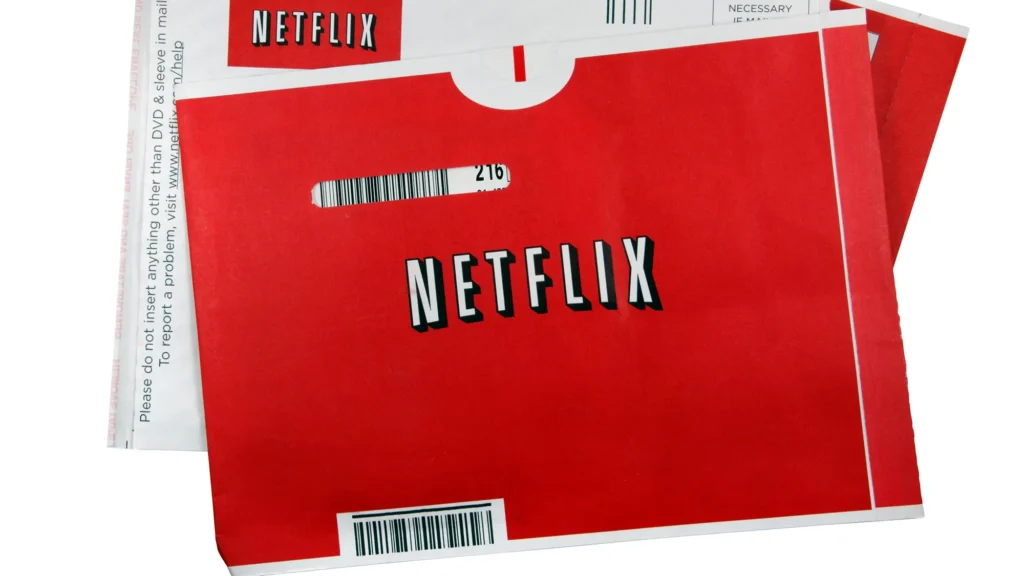
While competitors like Blockbuster hesitated to embrace change, Netflix aggressively invested in its streaming infrastructure. By 2010, it had expanded its streaming service to international markets, starting with Canada. The company also secured licensing deals with major studios to build an extensive content library, ensuring that subscribers had a diverse selection of content to watch.
Original Content: A Game-Changer for Netflix
One of the biggest turning points in Netflix’s journey was its investment in original content. In 2013, it released House of Cards, its first original series, which became an instant success. This marked the beginning of Netflix’s transition from a streaming platform to a content powerhouse.
Netflix realized that relying on licensed content from studios was not sustainable in the long run. By creating its own exclusive content, it reduced dependency on third-party studios and gained a competitive edge. This strategy led to the production of highly successful shows such as Stranger Things, Narcos, and The Crown, which attracted millions of new subscribers and established Netflix as a major player in the entertainment industry.
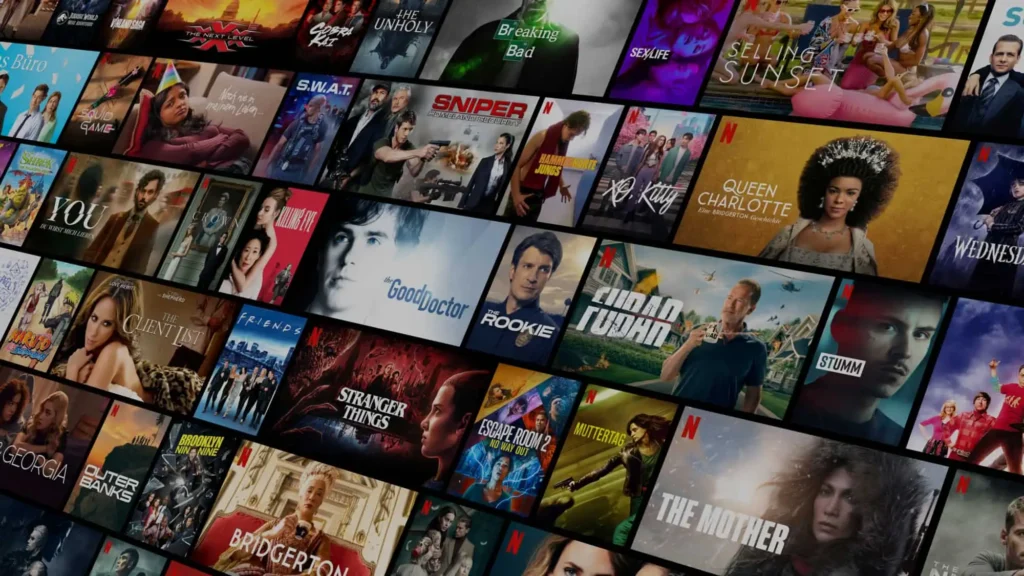
The company’s data-driven approach to content creation further strengthened its position. Using artificial intelligence and analytics, Netflix analyzed viewer preferences, engagement patterns, and global trends to determine what types of shows and movies would resonate with audiences. This ensured that its investments in original programming were targeted and maximized engagement.
Global Expansion and Localized Content
Netflix’s rapid global expansion played a crucial role in its dominance. Unlike traditional media companies that focused primarily on the U.S. market, Netflix expanded its presence across the world, adapting its content strategy to different cultures and preferences.
To cater to international audiences, it invested heavily in localized content. Shows like Money Heist (Spain), Sacred Games (India), and Squid Game (South Korea) became global hits, proving that non-English content had massive international appeal. This localized strategy helped Netflix penetrate new markets and build a truly global subscriber base.
By understanding regional entertainment preferences, Netflix positioned itself as a platform that offered diverse content, appealing to audiences across different geographies and cultures.
The Binge-Watching Revolution
Netflix redefined how audiences consumed entertainment by introducing the concept of binge-watching. Instead of releasing episodes weekly, it dropped entire seasons at once, allowing subscribers to watch at their own pace. This shift in viewing behavior increased engagement and encouraged longer watch times, making Netflix an integral part of popular culture.

Binge-watching created a new form of entertainment consumption that traditional TV networks struggled to compete with. The ability to watch multiple episodes in one sitting became a defining feature of Netflix’s user experience, further solidifying its dominance in the streaming space.
Challenges and Competition in the Streaming Industry
Despite its success, Netflix has faced several challenges, particularly from increasing competition. The rise of streaming services like Disney+, Amazon Prime Video, HBO Max, and Apple TV+ has intensified the battle for subscribers and content rights.
One of Netflix’s biggest challenges has been the escalating cost of content production. As studios recognized the profitability of streaming, many began launching their own platforms and reclaiming their content. This forced Netflix to invest billions in original programming to maintain its library and attract subscribers.
Additionally, subscriber growth in mature markets has slowed, leading Netflix to explore new revenue streams. It introduced an ad-supported tier to attract price-sensitive consumers and cracked down on password sharing to boost subscriptions. These strategies are aimed at sustaining revenue growth in an increasingly competitive landscape.
Lessons from Netflix’s Success
Netflix’s journey offers valuable business lessons that extend beyond the entertainment industry:
1. Disrupt Before Others Do – Netflix saw the potential of streaming before it was mainstream, giving it a first-mover advantage. Companies that anticipate industry shifts and adapt early often emerge as market leaders.
2. Own the Product – By producing its own content, Netflix reduced dependency on third-party studios and built a unique competitive advantage. Brands that control their product ecosystem have greater flexibility and profitability.
3. Leverage Data for Decision-Making – Netflix’s ability to analyze user behavior and create personalized recommendations enhances customer retention. Businesses that use data effectively can improve customer experience and increase engagement.
4. Adapt to Changing Consumer Behavior – The shift to binge-watching and mobile streaming required Netflix to rethink its content delivery model. Companies that align with evolving consumer habits can create new industry standards.
5. Think Global, Act Local – Netflix’s success in international markets was driven by localized content that resonated with diverse audiences. Businesses that customize offerings for different markets can accelerate global growth.
The Future of Netflix in the Streaming Wars
As the streaming industry continues to evolve, Netflix faces new challenges and opportunities. With increased competition, rising content costs, and changing consumer expectations, the company must continuously innovate to maintain its position.
One area of potential growth is interactive content and gaming. Netflix has already experimented with interactive storytelling (Black Mirror: Bandersnatch) and has entered the gaming space. Expanding into interactive entertainment could provide new engagement opportunities and revenue streams.
Additionally, by expanding its ad-supported tier and actively exploring strategic partnerships, Netflix may be able to both retain and grow its subscriber base. Moreover, as the streaming industry becomes increasingly saturated, differentiation through innovative content and diversified revenue models will be crucial for sustained success.
Netflix’s journey from a DVD rental service to a global entertainment leader is a testament to visionary leadership, strategic adaptability, and technological innovation. Its ability to disrupt traditional media, leverage data-driven decisions, and expand globally has set a benchmark for businesses across industries. Whether it can maintain its dominance in the face of rising competition remains to be seen, but one thing is certain—Netflix has already changed the way the world watches entertainment.