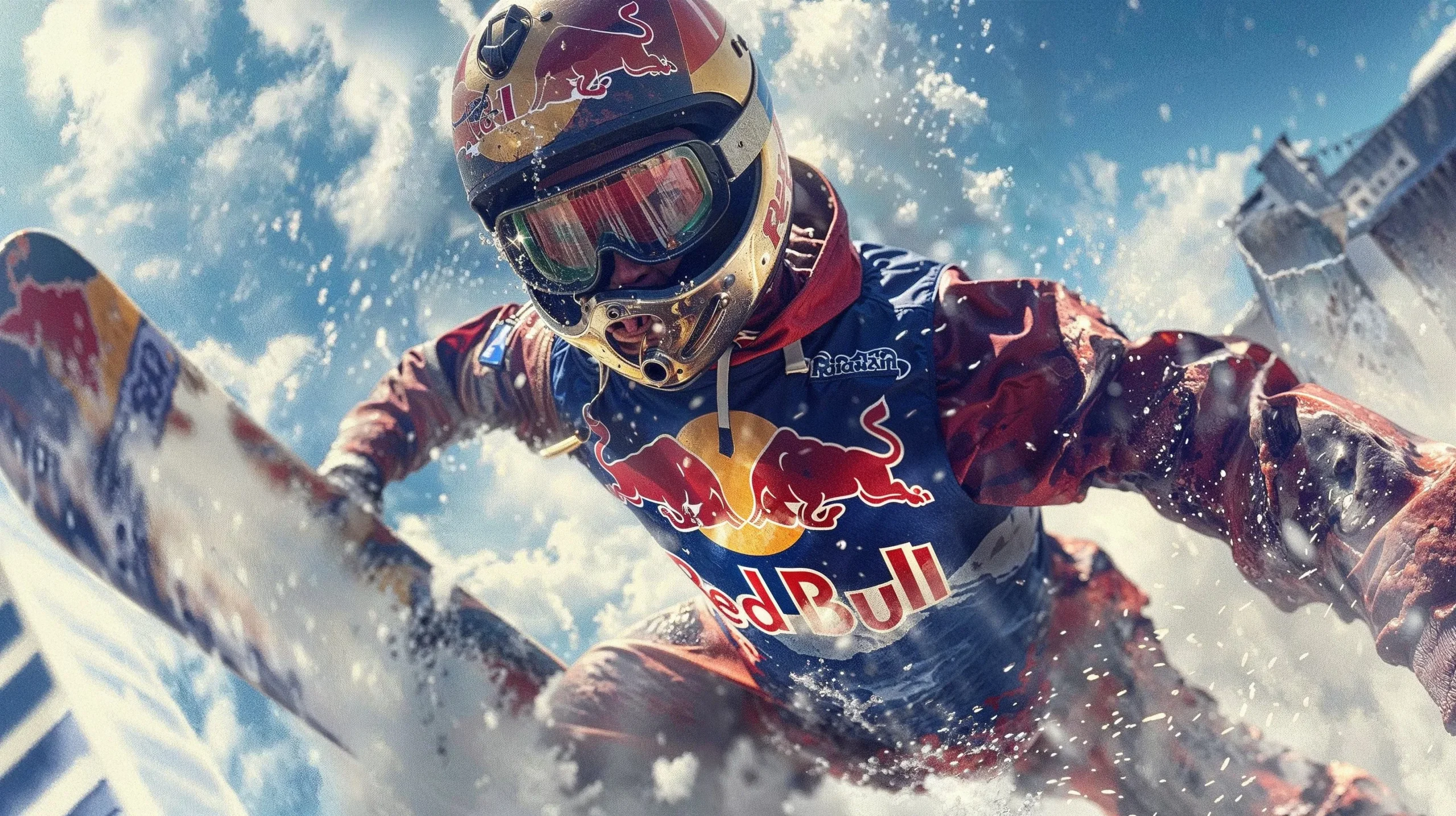
Red Bull isn’t always just an power drink; it’s miles a advertising powerhouse. Unlike traditional beverage organizations that compete based on taste, fee, or substances, Red Bull took an entirely exceptional technique. It didn’t simply promote a drink—it bought a life-style. Today, Red Bull is a billion-dollar international logo, but its dominance has little to do with the product itself. Instead of that specialize in traditional advertising and marketing, Red Bull built its empire via extreme sports activities, content advent, and an exceptional branding approach. While competitors invested in huge-scale traditional advertising campaigns, Red Bull immersed itself in motion sports, track festivals, and adrenaline-pumping activities. The brand positioned itself as the gas for high-performance individuals, adventure seekers, and hazard-takers. This strategic method transformed Red Bull from simply any other beverage into a cultural icon. The Origins of Red Bull: A Smart Product Repositioning Red Bull’s adventure started out within the 1980s whilst Austrian entrepreneur Dietrich Mateschitz located a neighborhood Thai power drink known as Krating Daeng. It turned into extensively ate up by way of truck drivers and employees who wanted an power boost. Unlike soft drinks advertised for refreshment, Krating Daeng changed into positioned as a practical energy enhancer. Mateschitz saw its capacity and partnered with the drink’s author, Chaleo Yoovidhya, to carry it to a worldwide target audience. They barely altered the formulation, brought carbonation, and rebranded it as Red Bull. Instead of competing with Coca-Cola or Pepsi, Red Bull created a wholly new class of electricity beverages. This differentiation allowed Red Bull to bypass direct competition and establish a spot marketplace. The Billion-Dollar Branding Strategy That Changed the Game Selling a Lifestyle, Not a Product Red Bull’s advertising and marketing never focused at the flavor, ingredients, or fee of the drink. Instead, it constructed a whole brand around journey, excessive sports activities, and pushing human limits. When clients buy Red Bull, they’re now not simply shopping an energy drink; they may be buying right into a high-strength, adrenaline-fueled way of life. Unlike traditional beverage businesses that depend on TV commercials and superstar endorsements, Red Bull invested heavily in sponsoring extreme sports occasions, proudly owning racing teams, and executing document-breaking stunts. The emblem aligned itself with movement sports, including Formula 1, motocross, skateboarding, skiing, and cliff diving, reinforcing its association with excessive-performance sports. The Power of Content Marketing: Red Bull Media House One of Red Bull’s most groundbreaking actions changed into developing Red Bull Media House, a manufacturing enterprise devoted to growing awesome sports activities documentaries, adventure films, and stay event coverage. Instead of relying on 0.33-party advertising, Red Bull have become its personal media agency, producing content material that resonated with its target market. Through its YouTube channel, Red Bull TV, and social media presence, the emblem constantly provides enticing content that aligns with its identity. From masking excessive sports activities competitions to producing at the back of-the-scenes athlete tales, Red Bull Media House has come to be a leading call in sports activities enjoyment. This shift from traditional advertising to content-driven engagement ensured that Red Bull remained relevant in teenagers lifestyle. Record-Breaking Stunts and Sponsorships Red Bull didn’t just sponsor severe sports—it created them. The brand organized and funded a number of the most bold, file-breaking stunts in records, making itself synonymous with human success and pushing limits. One of the most awesome examples is the Red Bull Stratos task in 2012, wherein skydiver Felix Baumgartner jumped from the threshold of area, 128,000 feet above Earth. The event changed into watched with the aid of over 50 million people stay, breaking multiple international data. Instead of paying for a Super Bowl advert, Red Bull created a global spectacle that cemented its reputation as the closing adrenaline brand. Beyond stunts, Red Bull owns and operates primary sports activities groups, together with Red Bull Racing in Formula 1 and FC Red Bull Salzburg in football. By embedding itself in high-overall performance sports, Red Bull consistently reinforces its emblem message—power, action, and achievement. Scarcity and Premium Pricing Strategy Unlike mass-market soft liquids that prioritize quantity income, Red Bull limits its distribution and maintains a top rate price factor. It avoids presenting more-large sizes, multipacks, or heavy discounting, reinforcing its exclusivity and high-overall performance positioning. This pricing approach makes Red Bull feel like a specialised product in place of an regular beverage. Consumers perceive it as a premium power booster, now not simply another carbonated drink. The brand deliberately avoids conventional promotions that could dilute its exclusivity, ensuring that its fee stays high. Challenges and How Red Bull Overcame Them Despite its achievement, Red Bull has confronted demanding situations, including fitness concerns over power drink intake, multiplied competition, and regulatory scrutiny. As cognizance round caffeine and sugar consumption grew, the power drink industry came underneath strain. Competitors which includes Monster Energy and Rockstar also started out gaining market proportion. To cope with those troubles, Red Bull targeted on brand equity rather than direct product promoting. Instead of carrying out fitness debates, it endured investing in intense sports, media content, and virtual storytelling, making sure that the logo remained culturally applicable. The organization also diversified its product line, introducing sugar-free and organic variants to attraction to health-aware consumers. By keeping a sturdy brand identity even as adapting to market traits, Red Bull secured its function as the industry leader. Key Lessons from Red Bull’s Success Red Bull’s upward thrust to dominance presents treasured insights for agencies throughout industries: • Create a brand identity past the product. Red Bull is extra than an power drink—it’s miles a lifestyle brand associated with excessive strength and adventure. • Invest in content material marketing. Owning Red Bull Media House allowed the agency to manipulate its narrative and build a faithful target market. • Leverage emblem reviews. Events like Red Bull Stratos and severe sports activities sponsorships created unforgettable brand moments that no conventional ad campaign ought to reap. • Position your self as top rate. By retaining a higher price factor and avoiding discounting,